
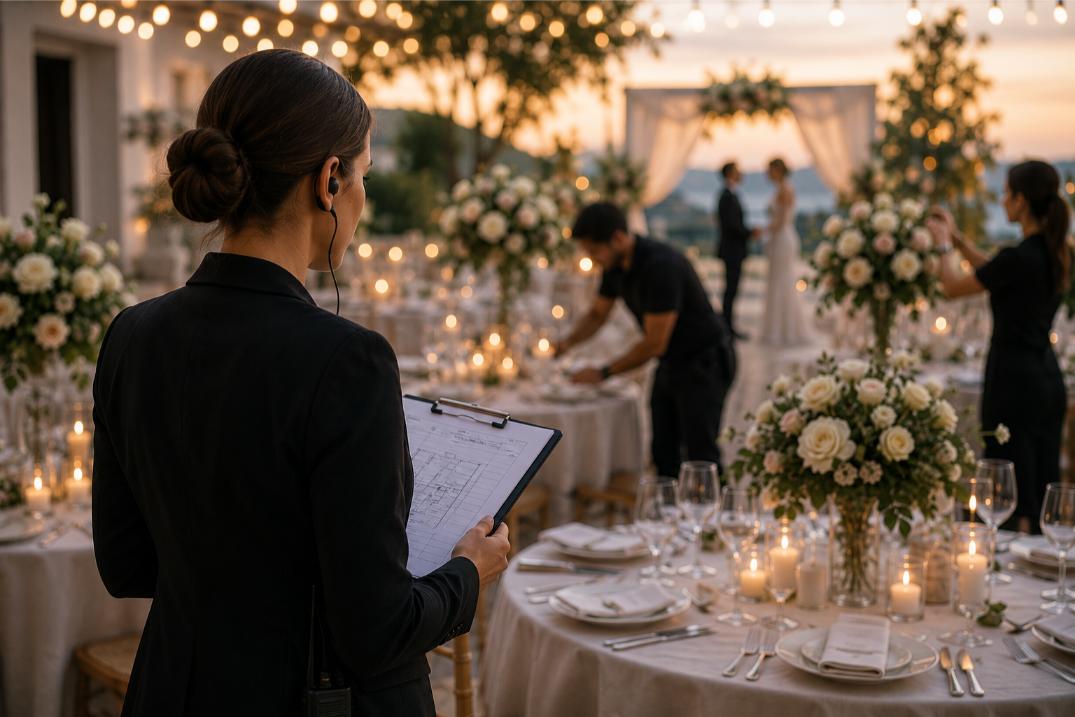
From the outside, a wedding day looks effortless, a seamless flow of emotions, beauty, and unforgettable moments. But behind every perfectly timed ceremony and every elegantly set table is a carefully orchestrated operation led by a wedding planner working quietly (and tirelessly) in the background.
For couples planning a destination wedding, especially from abroad, this behind-the-scenes work becomes even more essential. Working with an experienced team such as Julie & Romeo Wedding France means that every detail is anticipated and managed long before the first guest arrives.
Here’s an inside look at what a wedding planner actually does on the big day, the parts you never see, but that make everything possible.
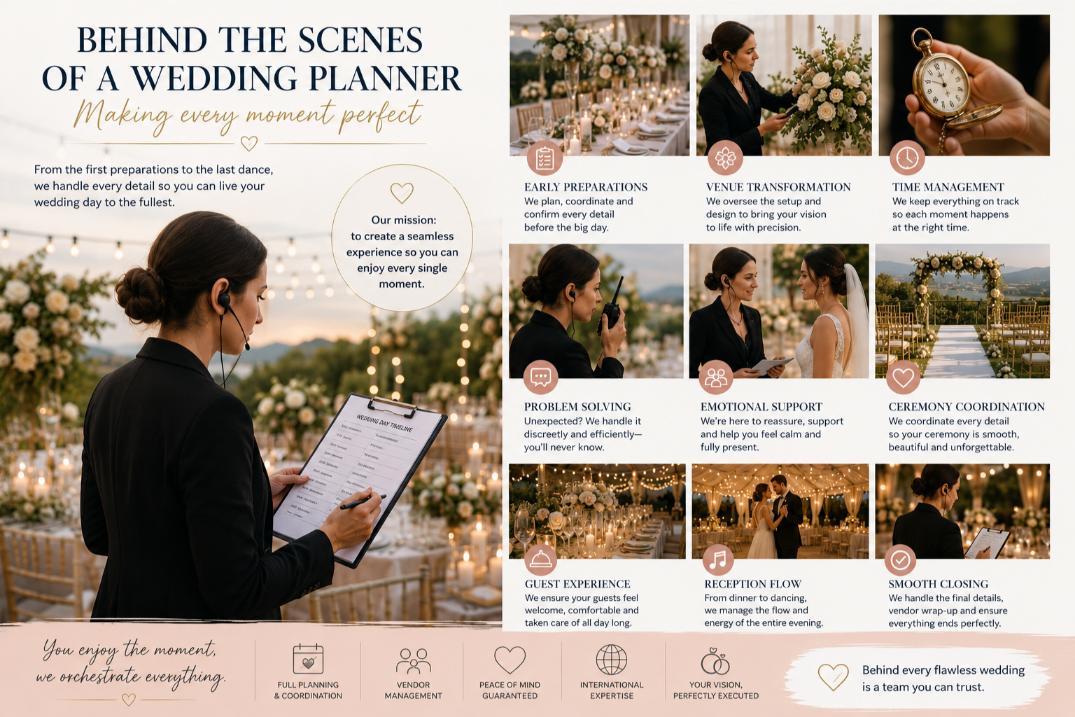
- 1 The Day Starts Long Before You Wake Up
- 2 Transforming the Venue Into a Wedding Setting
- 3 The Invisible Role of Timekeeper
- 4 Managing the Unexpected Without Anyone Noticing
- 5 Acting as the Central Point of Contact
- 6 Supporting the Couple Emotionally
- 7 Coordinating the Ceremony With Precision
- 8 Overseeing the Guest Experience
- 9 Managing the Reception Flow
- 10 Ending the Night Smoothly
- 11 Why This Work Matters So Much ?
- 12 The Beauty of What You Don’t See
The Day Starts Long Before You Wake Up
While the couple might begin their day with a relaxed breakfast or a calm moment getting ready, the wedding planner has already been working for hours.
Early in the morning, they are reviewing the full timeline minute by minute, confirming arrivals with every vendor, checking the venue setup progress, and preparing contingency plans.
At this stage, it is not about reacting. It is about anticipating everything that could happen before it does.
For destination weddings in France, this preparation often includes coordinating teams from different regions, ensuring deliveries arrive on time, and managing language or logistical nuances.
Transforming the Venue Into a Wedding Setting
Before guests arrive, the venue is still just a location, sometimes even a worksite. The planner oversees the transformation into a fully immersive wedding experience.
This involves supervising decoration and floral installation, coordinating furniture placement and layout, ensuring lighting and technical setups are correct, and aligning every visual detail with the couple’s vision.
Every element must be placed with precision, not just for aesthetics, but also for flow and functionality.
Even something as simple as the placement of chairs or the timing of table setup can impact how the entire day unfolds.
The Invisible Role of Timekeeper
One of the most critical and least visible roles of a wedding planner is managing time.
Weddings are built around a tight schedule that includes the ceremony, cocktail hour, dinner service, speeches, and the first dance.
The planner ensures everything happens at the right moment without making it feel rushed or rigid.
This often means gently guiding people without interrupting the atmosphere, adjusting timing in real time if something runs late, and keeping vendors aligned without involving the couple.
The goal is simple. The couple should never feel the pressure of time, only the experience of the moment.
Managing the Unexpected Without Anyone Noticing
No wedding day goes exactly as planned, and that is where the planner’s expertise becomes invaluable.
Some common behind-the-scenes situations include a vendor arriving late, weather conditions changing unexpectedly, a missing item or last-minute request, transportation delays, or technical issues.
What matters is not avoiding problems entirely. It is solving them discreetly and efficiently. A skilled planner handles these moments without ever disturbing the couple or guests. Most of the time, people never even realize something needed to be fixed.
Acting as the Central Point of Contact
On a wedding day, dozens of people are involved, including vendors, venue staff, guests, and family members.
Without a clear point of coordination, communication can quickly become overwhelming. The wedding planner acts as the single point of contact for everyone.
Instead of guests asking the couple questions, vendors interrupting key moments, or family members managing logistics, everything flows through the planner.
This allows the couple to remain fully present, not managing, not answering questions, and not solving problems.
Supporting the Couple Emotionally
Beyond logistics, a wedding planner also plays a deeply human role.
Weddings are emotional and sometimes intense moments. Even the most organized couples can feel overwhelmed.
Throughout the day, the planner is there to reassure, adjust the pace if needed, create calm in stressful moments, and offer guidance without being intrusive.
Sometimes, this simply means knowing when to step in and when to step back.
This emotional support is especially important for destination weddings, where couples are far from home and navigating an unfamiliar environment.
Coordinating the Ceremony With Precision
The ceremony is one of the most important parts of the day and one of the most delicate to manage.
Behind the scenes, the planner is organizing the processional order, cueing music at the right moment, guiding participants, and ensuring everyone is in the right place at the right time.
Even a small delay or miscommunication can disrupt the flow.
The planner ensures that everything feels natural, even though it is carefully prepared in advance.
Overseeing the Guest Experience
A great wedding is not only about the couple. It is also about the experience of the guests.
Throughout the day, the planner ensures that guests know where to go, feel welcomed and comfortable, and move smoothly from one moment to another.
This includes subtle details such as signage placement, seating flow, timing between activities, and managing transitions without confusion.
When done well, guests simply feel that everything is easy, without realizing how much coordination it takes.
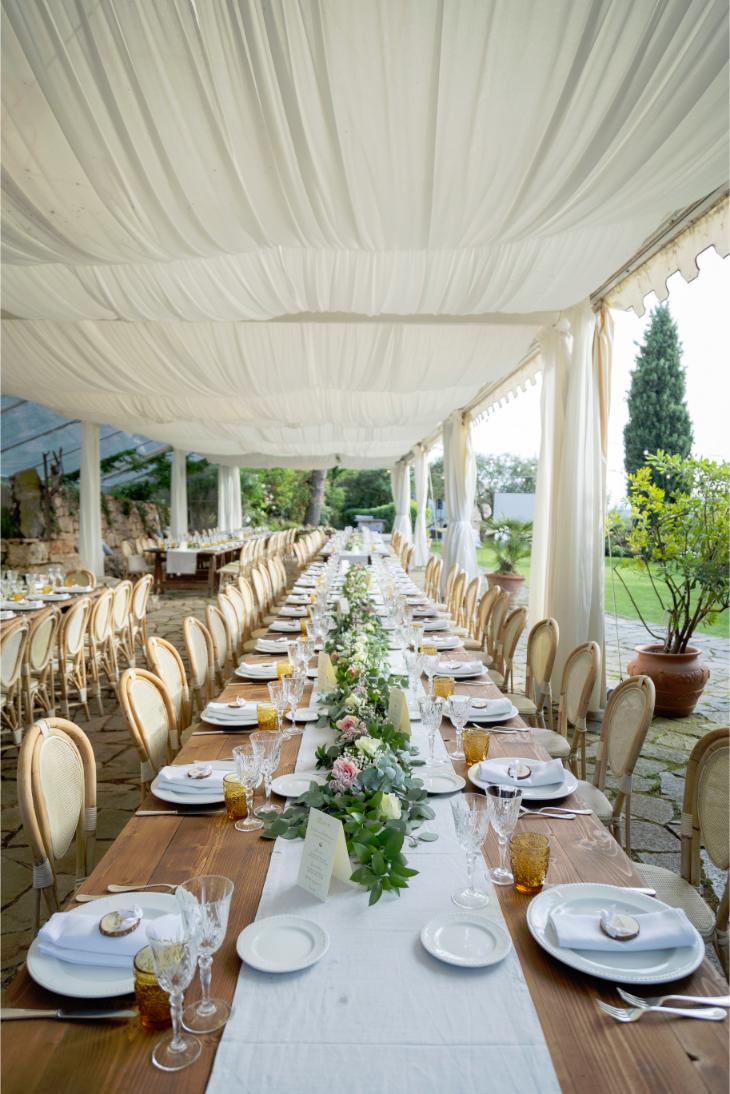
Discover what wedding planners really handle behind the scenes to create a seamless, stress-free, and unforgettable wedding day experience.
Managing the Reception Flow
The reception is often the longest and most complex part of the wedding day.
It involves coordinating dinner service with speeches, timing entertainment and music, managing transitions between formal and informal moments, and keeping the energy balanced throughout the evening.
The planner works closely with vendors to ensure that the kitchen stays aligned with the timeline, speeches happen at the right moment, and music and lighting evolve naturally.
This is where experience truly makes a difference, knowing how to read the room and adapt in real time.
Ending the Night Smoothly
Even when the party is in full swing, the planner is already thinking about how the event will conclude.
They manage vendor breakdown, transportation for guests, secure handling of personal items, and final checks with the venue.
The goal is to ensure that the night ends as smoothly as it began, without last-minute stress or confusion.
Why This Work Matters So Much ?
When you look at a wedding from the outside, it is easy to focus on the visible elements such as the flowers, the dress, or the setting.
But what truly defines the experience is how everything flows. That flow is the result of planning, coordination, anticipation, and experience.
For couples organizing a wedding from abroad, having a professional handle these aspects is often what transforms the day from stressful to truly enjoyable.
The Beauty of What You Don’t See
In the end, the success of a wedding planner is measured by invisibility.
If everything feels effortless, if the couple is fully present, and if guests simply enjoy the moment, then the planner has done their job perfectly.
Because behind every unforgettable wedding is not just a beautiful setting, but a carefully orchestrated experience that allows everyone to live it fully without ever thinking about what is happening behind the scenes.